By the Numbers
- 215
- Miles of sewer collection mains
- 17
- Pumping stations: 7 major & 11 minor
- 2.15B
- Gallons treated last year
- 2
- Types of systems: anaerobic & aerobic
- 7.1M
- Gallons per day treated
PUB's wastewater division collects sewage from residential, commercial, and industrial customers through our sewer collection network and pumping stations, then treats it at our regional wastewater treatment plant before discharging clean effluent to the Ohio River under a state NPDES permit.
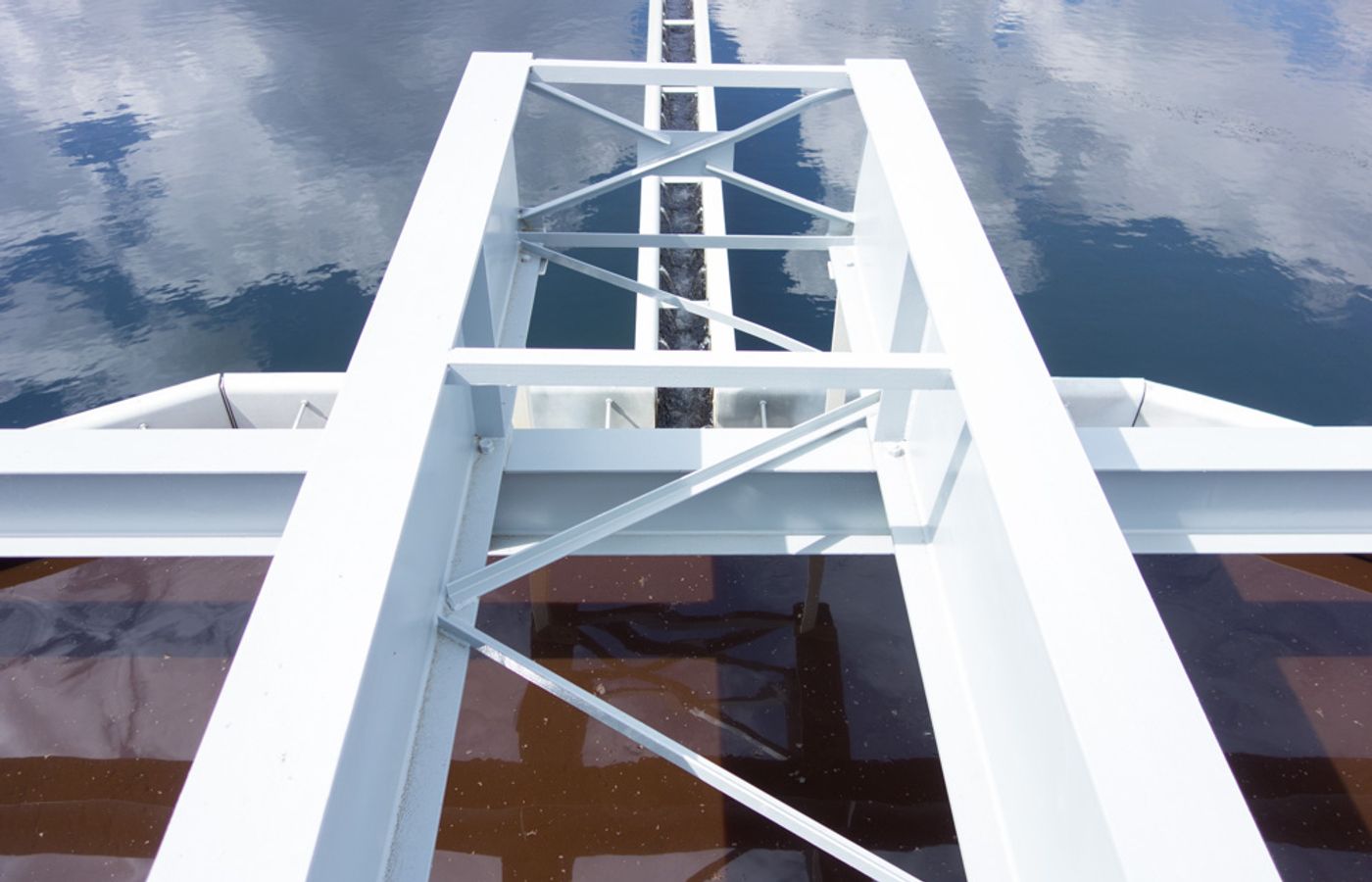
Wastewater Treatment
PUB’s wastewater treatment process is designed to safely and effectively treat wastewater with a design capacity of 10.4 MGD and a maximum capacity of 32.7 MGD, while treating an average of 5,912,000 gallons each day. The process begins with screening to remove rags, stones, and other debris that could damage equipment or clog operations, followed by grit separation to remove sand and gravel. Primary clarifiers then allow floatable solids to be skimmed off and heavier solids to settle into sludge, which is pumped to the digesters. In the aeration tanks, oxygen is added so microorganisms can break down organic matter. Secondary clarifiers separate out additional solids, with some returned to the aeration tanks and some sent to aerobic digesters. Chlorine is then added in a contact tank to disinfect the wastewater, and sodium bisulfite is used afterward to remove any remaining chlorine. Once treatment is complete, the effluent is safely discharged into the Ohio River.
Biosolids Treatment
PUB’s biosolids treatment process is designed to stabilize sludge and prepare it for beneficial reuse. Aerobic digesters use oxygen and microorganisms to break down organic matter in the sludge, while anaerobic digesters heat and mix the sludge in an oxygen-free environment where bacteria further decompose waste into biosolids. During dewatering, polymer is added and the material is pressed through a belt and roller system to remove excess water, creating a cake-like substance. The dewatered biosolids are then beneficially reused as a soil conditioner for area farms in accordance with PUB’s Biosolids Management Program and all applicable state and federal guidelines, with application limited to farm fields not used for crop production.
Collection
PUB’s collection system includes 210 miles of gravity collection mains, 7.2 miles of force mains, and 17 pumping stations that work together to move wastewater reliably throughout the service area. Because system performance and reliability are essential, PUB makes collection system maintenance a high priority and dedicates resources to keeping this infrastructure operating effectively.
Pretreatment, Hauled Waste, and Fats, Oils, and Grease (FOG) Programs
PUB operates a pretreatment program for industrial sewer dischargers to monitor and help regulate the strength and quantity of hazardous and harmful materials flushed to the wastewater collection system. The hauled waste program provides the same protection for septic tank haulers as well. The FOG program works with dischargers to protect lines from buildup of grease deposits that decrease the capacity of the collection system and cause other problems for the operation of the collection system. PUB issues permits for these services and monitors the permit holders to help ensure compliance with the programs.
Frequently Asked
Sewer Related
How can I tell if I have a plumbing leak?
To check for household leaks, turn off the water inside and outside your home. Observe the red leak indicator on the meter face; if it moves, there is water passing through the meter, indicating a leak.
To locate a leak, try:
- Looking for wet spots that could indicate a leak in the pipe between the meter and the home.
- Dropping a dye tablet in the toilet tank. Don’t flush. If colored water appears in the bowl, the toilet leaks.
- Listening for the sound of running water coming from your toilet. If you hear running water, your toilet has a leak.
- Checking your faucets and pipe fittings for any water on the outside of the pipe.
- Making sure your showerhead is not leaking where it connects to the pipe stem. Carefully tighten and use pipe dope or Teflon tape when securing it. You may also want to replace the o-ring inside the shower head.
- Examining your garden hose to make sure that it is not leaking where it connects to the spigot. Also, always turn water hoses off when not in use they were not intended for constant pressurization.
If your meter is located outside in a pit with a bolt-down lid or if you need assistance with this process, you should contact PUB at 304.424.8535 to schedule an assistance visit.
If my toilet is leaking, what can I do about it?
A leaking toilet can be annoying and wasteful. To check if your toilet has a leak, place a few drops of food coloring in the tank. If coloring is seen in the bowl without flushing, you have a leak.
To pinpoint the leak, follow these simple steps:
- If the tank is not filling with water, the float ball is not returning to seat properly.
- Check to see if the linkage that connects to the trip lever is hung up.
- If that doesn’t work, then the ball needs to be replaced. A flapper ball can replace a worn flush ball valve.
- If the tank is full of water, and water is flowing into the overflow tube, then the valve is not shutting off correctly.
- Lift up on the float ball, if the water shuts off, then the ball is not functioning properly. This could be caused by two things:
- The ball has a leak and is full of water. Replace with another ball or new flush assembly.
- The float ball needs adjusting. Use the screw at the base of the rod to lower the float ball so that the water level is ½ to 1 inch below the overflow tube.
- If water does not shut off when you lift up on the float ball, then the valve itself needs to be repaired or replaced. Repair kits and new valves with easy to follow instructions are available at local hardware stores.
- If water is not flowing into the overflow tube. But constantly runs or periodically turns on and off, the flush ball or flapper is not fitting snugly into the flush ball seat. When seats get old, they get pitted and allow water to leak past the seal and down the drain. Minerals and other deposits may also build up on the seat, making it rough.
- If worn, replace the flush ball or flapper.
- If the problem persists, the seat can be cleaned with steel wool, covered with a repair seal, or replaced.
How do I repair a leaky toilet?
It’s not always easy to tell if your toilet is leaking. To check for a slow leak, add some food coloring or dye tablets to the water in the tank and wait thirty minutes.
If the color seeps into the toilet bowl, you have a leak. To repair the leak, follow these steps:
- Remove the tank lid and check the float arm. Reach in and lift it up. If the water stops running, you’ve found the problem. Adjust the screws or bolts to the inlet float valve until the water stops flowing.
- If the toilet continues to leak, turn off the water supply valve to the tank, and flush the toilet to drain out the water. Examine the inlet float valve by removing the two screws or bolts and lifting the top of the valve housing out. Check the diaphragm. If it is even slightly damaged or worn, replace it.
- If the toilet periodically refills without flushing, examine the ball stopper or flapper valve. It should fit flush in its seat. If not, look at the lever and guide rods that operate the ball stopper. If they are crooked, gently straighten them. For toilets having a chain pull attached to the flapper valve, make sure the chain is slack when the valve is seated to insure a snug fit. If the ball or flapper valve itself is worn out, replace it. Check for corrosion or deposits on the seat and the ball stopper or flapper valve. Use steel wool to remove this buildup.
- Inspect the small refill tube that connects the fill valve to the refill-overflow tube to be sure the smaller tube ends slightly above the standing water level of the completely filled tank. If necessary, gently pull the small tube upward until its end is correctly placed.
- If the toilet is still leaking, you may have a problem fill valve. In this case a steady trickle of water will run constantly, flowing into the overflow tube in the toilet tank. If the water level in the tank is right up to the very top of the overflow tube, then you probably have a fill valve problem. First try to adjust the float level so the water stops flowing before reaching the overflow level.
- If this doesn’t stop the leak, replace the fill valve. Shut off the water supply to the toilet and flush to empty the tank. Sponge the final few cups of water from the bottom of the tank. Disconnect the supply line,and remove the nut on the bottom of the tank to remove the old fill valve assembly. Install a new fill valve assembly and reattach the supply line. Finally, attach the fill tube hose to the overflow tube. Turn the water back on, and adjust the float so that the water shuts off about one inch below the top of the overflow tube.
Related Services
Get in touch